
Before You Book the Meeting, Find Your PAL
I spend a lot of time in meetings.
Networking meetings. 121s. Client meetings. Team meetings. Zoom meetings. Coffee meetings. Meetings about events. Meetings to prepare for other meetings...
Some are incredibly valuable.
And some finish with everyone wondering what exactly we just spent an hour doing.
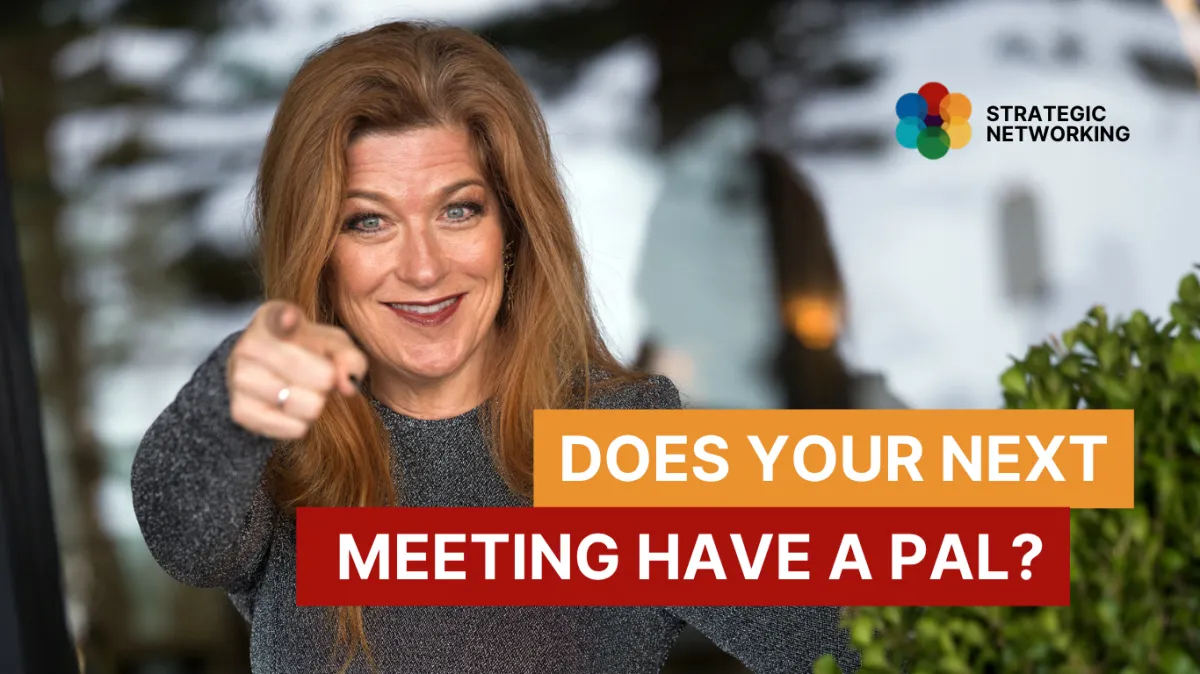
Over the years, I've developed a very simple test that I use when thinking about meetings. I call it PAL.
Purpose. Agenda. Length.
Three things that should be clear before the meeting starts.
It sounds obvious, but think about how many meeting invitations arrive with nothing more than a title, a time and perhaps a Zoom link.
“Catch up.”
“Quick chat.”
“Touch base.”
“Coffee?”
What are we actually meeting about?
P is for Purpose
Before I agree to a meeting, I want to understand why we're having it.
That doesn't mean every meeting needs to produce a commercial outcome. The purpose might simply be to get to know each other better. It could be to make a decision, solve a problem, explore an opportunity, share information or understand whether there's a reason for another conversation.
But there should be a reason.
This is particularly important in networking because “let's have a coffee” can become the default next step after meeting somebody.
I'm a big fan of coffee, but coffee isn't a purpose.
“We've discovered that we work with similar clients, so let's spend some time understanding each other's businesses” is a purpose.
“I'd like to learn more about your work because I think there may be people in my network I can introduce you to” is a purpose.
The purpose tells both people why the meeting deserves space in their diary.
A is for Agenda
Once we know why we're meeting, what do we need to talk about?
I don't mean we need a six-page document with numbered agenda items for every coffee meeting. An agenda can be incredibly simple.
If we're having a 121, perhaps we agree that we'll spend some time getting to know each other, talk about our businesses, explore who we each want to meet and finish by deciding whether there's anything useful we can do for each other.
If it's a team meeting, the agenda may need to be more structured.
The point is that everybody should have some idea of what we're going to cover.
An agenda also gives people the chance to prepare.
If you want my opinion on something, let me know what it is. If we're making a decision, give me the information I need beforehand. If you want to brainstorm, tell me what we're brainstorming.
Otherwise, we can spend the first half of the meeting discovering what the meeting is about.
L is for Length
This may be my favourite part.
How long does this meeting actually need to be?
Somewhere along the way, 30 minutes and 60 minutes became the standard units of meetings. Our calendars offer us those blocks, so we fill them.
But not every conversation needs an hour.
Some need 15 minutes. Some need 25. Some genuinely need two hours.
The length should follow the purpose and agenda, not the default setting in your calendar.
And if we've achieved the purpose in 37 minutes of a scheduled hour, I don't believe we have to keep talking for another 23 minutes simply because we've booked the time.
Give people the time back.
There's also something respectful about telling somebody how much time you're asking them to invest.
“Can we have a quick chat?” can mean five minutes to one person and an hour to another.
“Could we have 20 minutes to discuss X?” is much easier to say yes to because I know exactly what I'm agreeing to.
PAL Is About Respect
That's really what sits underneath all three.
When I tell you the Purpose, I'm respecting your need to understand why the meeting matters.
When I give you an Agenda, I'm respecting your ability to prepare and contribute.
When we're clear about the Length, I'm respecting your time.
And you can use PAL from either side of the invitation.
If somebody asks you for a meeting and you're not sure what it's about, ask:
What's the purpose? What's the agenda? How much time do we need?
Those three questions aren't rude. In fact, they can make the eventual meeting considerably better.
I don't want fewer conversations. Conversations are where relationships grow, ideas emerge, problems get solved and opportunities are discovered.
I just want the time we spend together to have some intention behind it.
So before you send your next calendar invitation, find your PAL.
Purpose. Agenda. Length.
Then have the meeting.
Happy Connecting! WLC
ABOUT THE AUTHOR
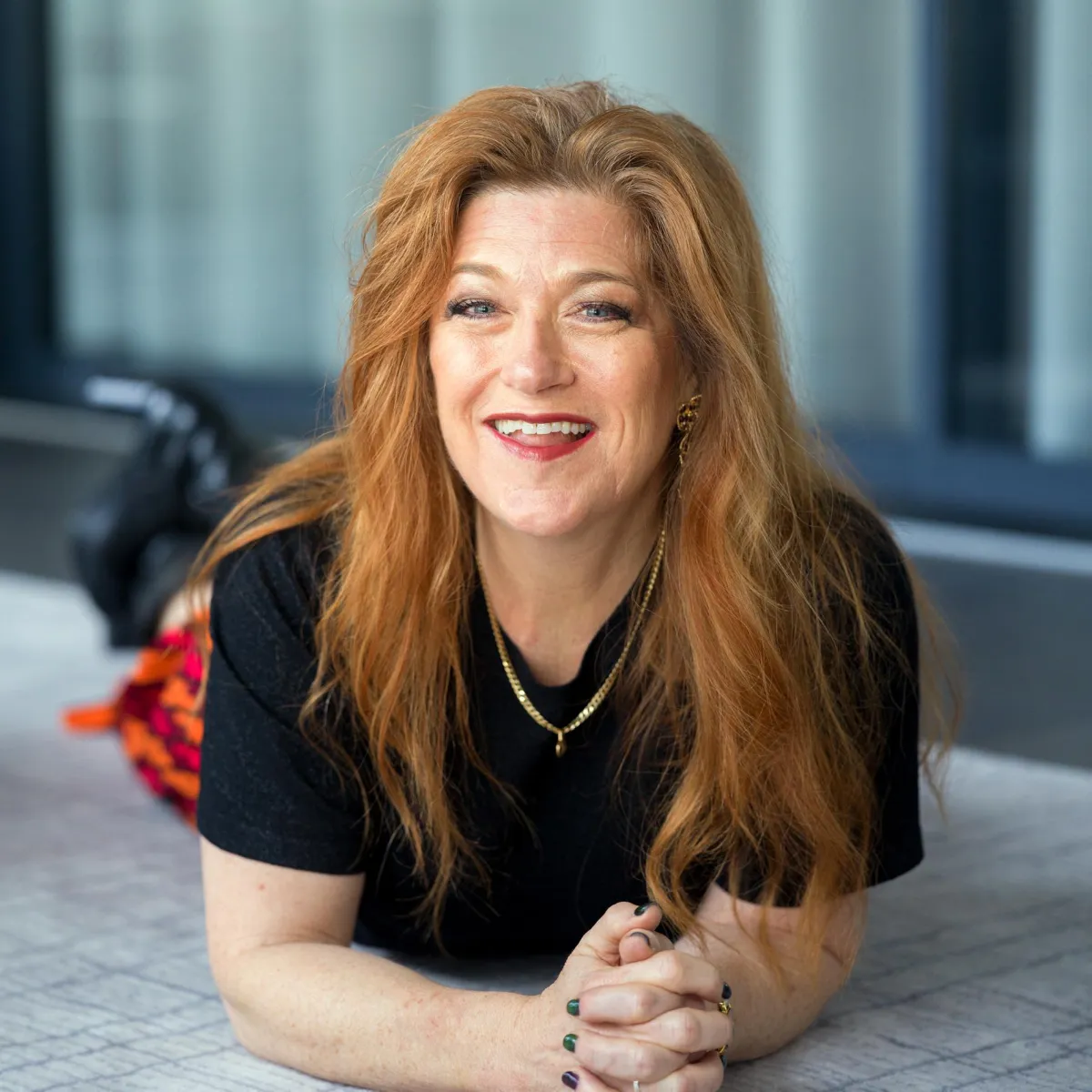
Wendy Lloyd Curley is a professional speaker, trainer, bestselling author, and business owner who helps small business owners develop strategic networking skills that create meaningful business relationships, stronger referral partnerships, and long-term growth.
She specialises in working with businesses where the owner is still actively involved in business development... because networking becomes far more effective when relationships are built with intention instead of chance.
STAY AHEAD WITH STRATEGIC NETWORKING
Subscribe to "Connect the Dots" for weekly articles by Wendy Lloyd Curley. Get actionable networking strategies, tips for professional growth, and real-world stories delivered straight to your inbox.



© Copyright 2026. Strategic Networking (Wendy Lloyd). All Rights Reserved.