
I Got Called Out on LinkedIn. They Were Right.
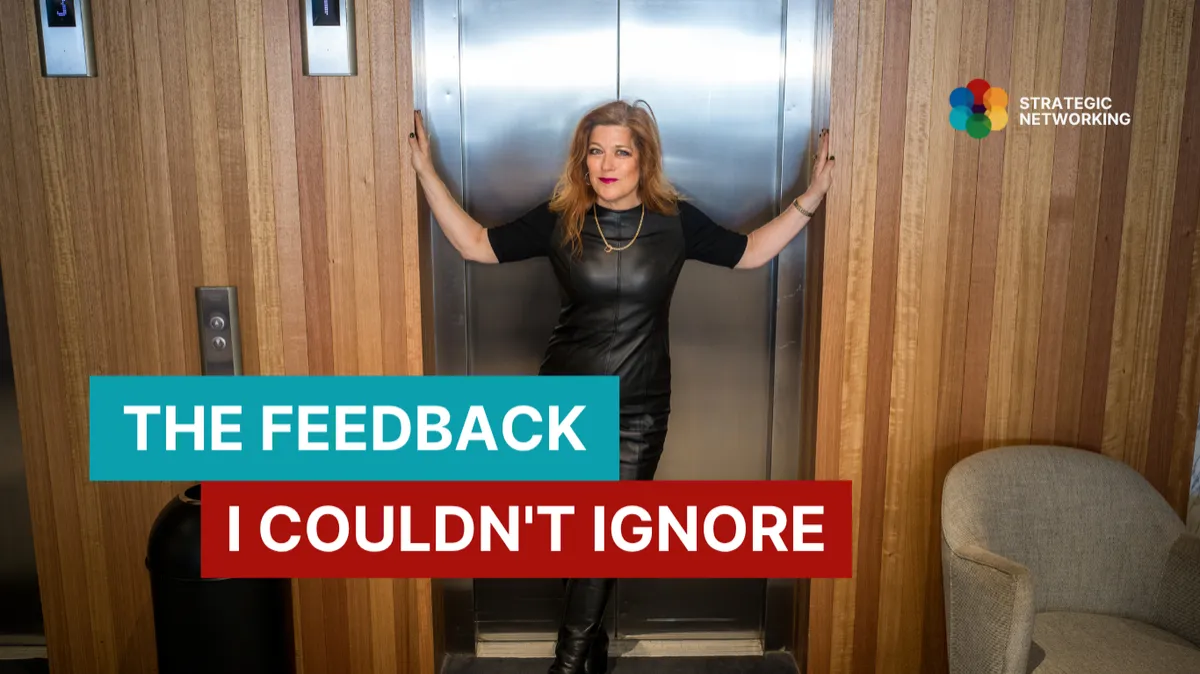
Someone called me out on LinkedIn this week.
Politely. Correctly. Ouch.
I had quoted Mehrabian’s famous 7-38-55 rule, the one often used to claim that only 7% of communication comes from words.
I’ve quoted it on stages. I’ve even used it in my book. Uh-oh.
It turns out the research was much narrower than the way it is often presented. Mehrabian’s studies explored how people interpret feelings and attitudes, particularly when someone’s words, tone and facial expression do not match.
They were never meant to suggest that words account for only 7% of all communication.
So, there I was on LinkedIn with two choices. I could quietly delete my comment and hope nobody noticed, or I could say, “You’re right. Thank you. I got that one wrong.”
I went with the second option, and something interesting happened. The conversation did not fall apart. My credibility did not disappear in a puff of smoke.
The conversation actually got better.
People joined in with research they had found. I went digging too and discovered studies that make the broader point about communication more accurately than that old statistic ever did. (More on those soon!)
But the bigger lesson was not really about percentages. It was about trust.
We spend so much energy trying to look as though we know everything, especially when we are speaking, teaching or positioning ourselves as experts.
Being wrong can feel dangerous. If I admit I made a mistake, will people question everything else I say?
But expertise does not mean never getting anything wrong. It means being willing to keep learning, review the evidence and change your position when better information appears. There is a big difference between being wrong and refusing to be corrected.
The people I trust most are not the ones who always appear to have the perfect answer. They are the ones who can say, “I didn’t know that,” “I need to check,” “You were right,” or “I got it wrong.”
Those words do not weaken trust. When they are genuine, they strengthen it.
The same applies to networking. Trust is built through hundreds of small moments: following through on an introduction, keeping something confidential, giving credit, correcting information and admitting when you have made a mistake instead of protecting your pride.
People notice how you respond when things become uncomfortable. Do you defend your ego? Do you disappear? Or do you value the relationship enough to be honest?
Owning a mistake out loud may cost you a little pride. Hiding it can cost you trust. And trust is the whole game in networking.
Relationships compound. Transactions don’t. Honesty is one of the best deposits you can make.
So, when has someone earned more of your trust by admitting they got something wrong?
Happy Connecting!
WLC

ABOUT THE AUTHOR
Wendy Lloyd Curley is a professional speaker, trainer, bestselling author, and business owner who helps small business owners develop strategic networking skills that create meaningful business relationships, stronger referral partnerships, and long-term growth.
She specialises in working with businesses where the owner is still actively involved in business development... because networking becomes far more effective when relationships are built with intention instead of chance.
STAY AHEAD WITH STRATEGIC NETWORKING
Subscribe to "Connect the Dots" for weekly articles by Wendy Lloyd Curley. Get actionable networking strategies, tips for professional growth, and real-world stories delivered straight to your inbox.



© Copyright 2026. Strategic Networking . All Rights Reserved.