
The Referral That Should Never Have Been Made
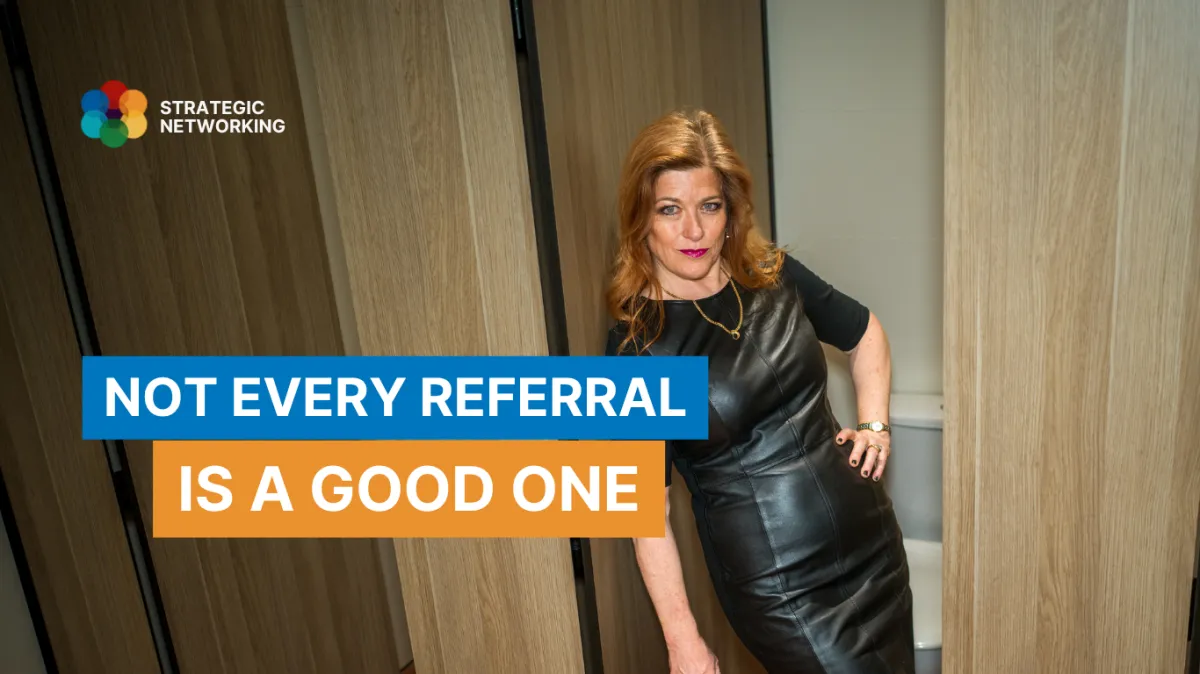
A referral can be a wonderful thing.
It can shorten the distance between a problem and the right person to solve it. It can open a door that would have taken months to reach. It can begin a client relationship, a partnership or a conversation that changes the direction of a business.
It can also make two people wonder why on earth you introduced them.
Most poor referrals are not malicious. They are usually made with enthusiasm and very little context.
'You two should talk.' Perhaps they should.
But, about what?
A referral carries your trust
When I introduce two people, I am not simply moving contact details from one inbox to another.
I am transferring a small amount of trust.
I am telling one person, 'I believe this conversation may be worth your time.' I am also telling the other, 'I believe this person may be relevant to what you need.'
That is why a referral should be treated with more care than forwarding an email address.
If the fit is poor, the timing is wrong or neither person understands the reason for the connection, the introduction creates work instead of value.
One awkward referral will not destroy a reputation. A pattern of careless ones can make people slower to act when your next introduction is genuinely excellent.
Permission comes before introduction
One of the simplest ways to improve a referral is to ask first.
'I know someone who may be able to help with that. Would you like me to introduce you?'
That question gives the person a choice.
They may already have a solution. They may not be ready. They may be speaking to three other providers and prefer not to add another. Or they may say, 'Yes, please. That would be brilliant.'
Permission protects the relationship. It also means the person receiving the introduction knows it is wanted. Nobody has to begin with the uncomfortable message, 'Apparently we should talk, although I am not entirely sure why.'
Context makes the referral useful
A warm introduction does not need to be a novel.
It needs enough information for both people to understand the connection.
Why are you introducing them? What problem, goal or opportunity was mentioned? What does the other person do that may be relevant? Is there any useful timing or background they should know?
Now everybody knows why they are in the email.
Context also helps the recipient decide whether they are genuinely the right person. A trusted professional should be able to say, 'This is not my area, but I know who may be better suited.'
That honesty strengthens trust. Pretending every opportunity is a perfect fit does not.
A good handover has an ending
Once the introduction is made, be clear about what happens next.
Usually, one person can take responsibility for suggesting a time or asking the first useful question. The introducer does not need to manage the relationship forever.
You have opened the door. Let them decide whether to walk through it.
And if you made the introduction because somebody needed urgent help, it is reasonable to check later that the connection happened. Not to demand an outcome, but to make sure the baton did not land on the floor.
We often celebrate the number of referrals passed because numbers are easy to count.
I would rather be known for introductions people are pleased to receive.
A strong referral is relevant. It has permission. It contains context. It respects both people's time.
Before you make your next introduction, ask one final question:
If this conversation goes ahead, are both people likely to thank me for connecting them?
If the answer is yes, make the referral.
If the answer is 'I am not sure'... perhaps ask another question first.
Happy Connecting!
WLC

ABOUT THE AUTHOR
Wendy Lloyd Curley is a professional speaker, trainer, bestselling author, and business owner who helps small business owners develop strategic networking skills that create meaningful business relationships, stronger referral partnerships, and long-term growth.
She specialises in working with businesses where the owner is still actively involved in business development... because networking becomes far more effective when relationships are built with intention instead of chance.
STAY AHEAD WITH STRATEGIC NETWORKING
Subscribe to "Connect the Dots" for weekly articles by Wendy Lloyd Curley. Get actionable networking strategies, tips for professional growth, and real-world stories delivered straight to your inbox.



© Copyright 2026. Strategic Networking (Wendy Lloyd). All Rights Reserved.